The Microsoft Fabric 2025 news shows how this platform is consolidating as a strategic solution within Microsoft’s technology ecosystem. Since its launch in 2023, Fabric offers a unified environment for the data lifecycle, integrating analytics, governance, storage and artificial intelligence. In this article, we review the key new features of Microsoft Fabric 2025 and how they impact companies looking to maximize the value of their data.
In this paper we review recent developments in Microsoft Fabric and discuss their impact on organizations looking to maximize the value of their data.
1. Microsoft Fabric recent developments 2025
1.1 OneLake compatibility with Apache Iceberg
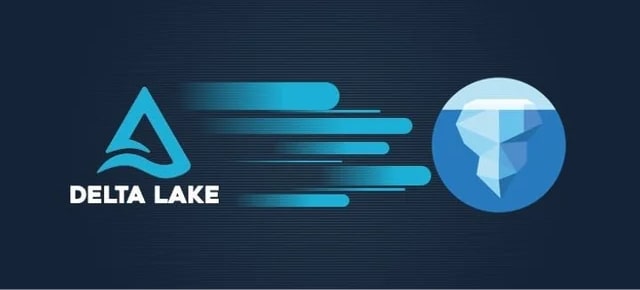
One of the most notable innovations is OneLake ‘s ability to access Delta Lake tables using Apache Iceberg-compliant readers. This extends interoperability with the modern data ecosystem, as Iceberg is an open standard increasingly adopted in big data environments.
1.2 Artificial Intelligence in the service of data engineering
AI capabilities are incorporated and accessible with very little code. Data engineers can now apply classification tasks , text generation and automatic content summaries, streamlining processes and improving productivity.
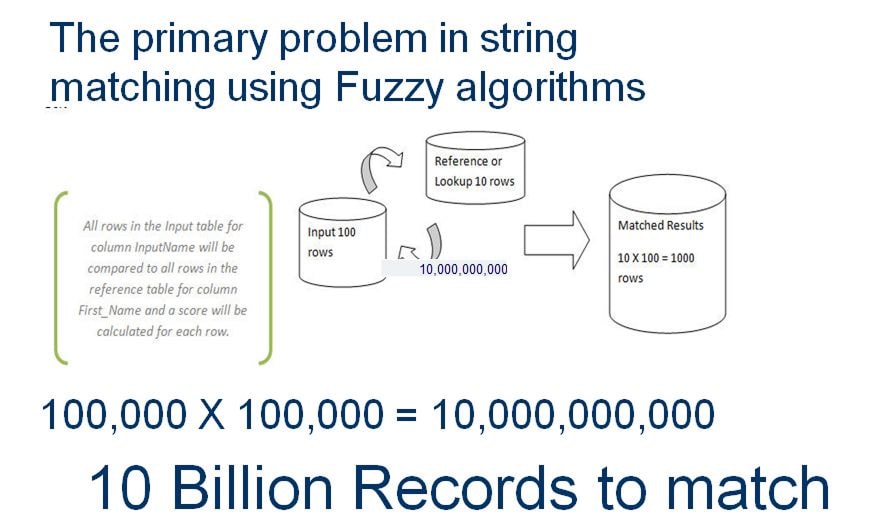
1.3 Fuzzy Matching in SQL
Data cleansing and debugging is one of the biggest challenges in any project. To this end, Fabric has introduced fuzzy string matching capabilities directly into its SQL databases, simplifying the management of inconsistent data.
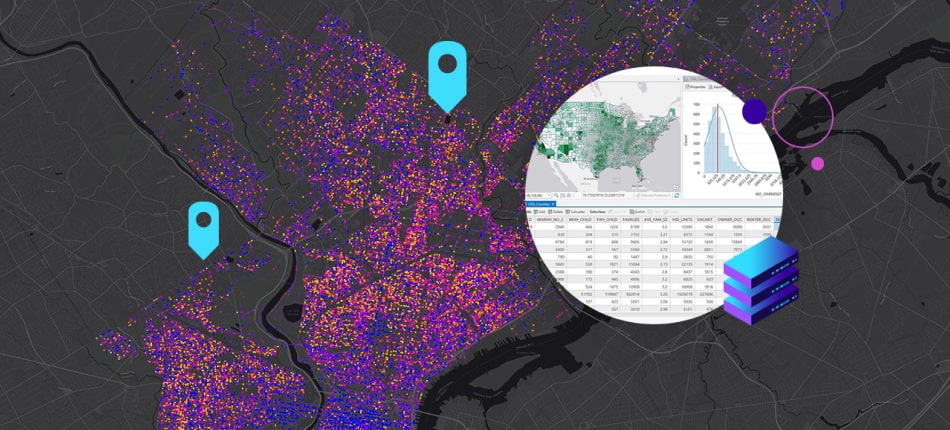
1.4 Geospatial Integration with ArcGIS GeoAnalytics
Fabric Spark has been integrated with ArcGIS GeoAnalytics, opening the door to advanced geospatial analysis and more accurate insights from geographic data.
1.5 SQL Database enhancements in Fabric
The SQL databases within Fabric have received several optimizations:
- Fast Copy: massive data ingestion with low latency.
- Asynchronous queries: continue other tasks while executing long queries.
- Optimization of large loads: reduced response times in intensive ingestion processes.
Fabric as an innovation and community center
Fabric’s relevance is also reflected in the ecosystem that Microsoft’ is building around the platform:
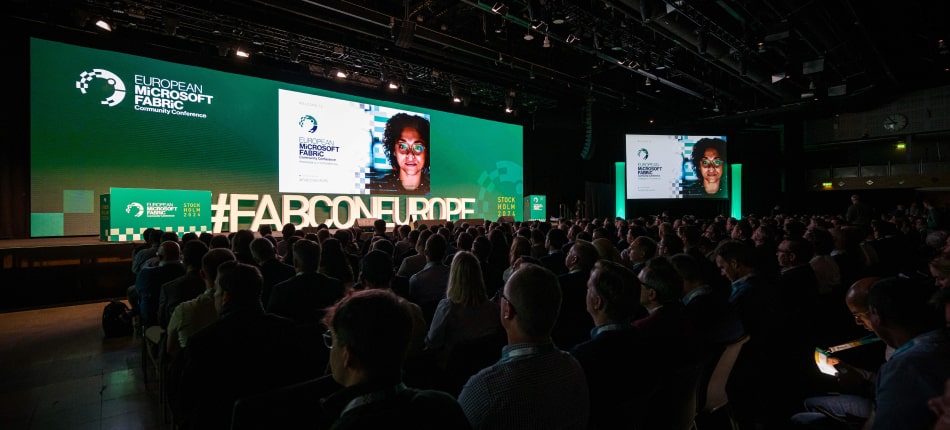
- FabCon Europe 2025 (Vienna, September 15-18): first major European congress on Fabric, Power BI, AI and data governance.
- Fabric Global Hackathon 2025: global virtual competition with data and artificial intelligence (AI) challenges.
3. Strategic implications for companies
Adopting Microsoft Fabric has clear strategic benefits:
- Reduced technological complexity: by unifying storage, integration, AI and analytics in a single environment.
- Artificial intelligence boost: integrated AI capabilities accessible to traditional BI teams.
- Interoperability and flexibility: compatibility with open standards such as Iceberg or Delta Lake.
- Scalability: Fabric leverages Azure’ s global infrastructure to grow from small projects to enterprise solutions.
4. Conclusion
In just two years since its launch, Microsoft Fabric has gone from being a novelty to become a key part of Microsoft’s data strategy. The latest developments show a clear direction: Fabric wants to be the core where all data converges and where artificial intelligence (AI) becomes an everyday tool.
For enterprises, the message is clear: betting on Fabric means investing in a platform that is ready for the present and future of analytics and artificial intelligence (AI).
5. Bibliography and sources
– Microsoft Learn – What’s New in Fabric: https://learn.microsoft.com/en-us/fabric/fundamentals/whats-new
– Microsoft Blog – Fabric Blog Updates: https://powerbi.microsoft.com/en-us/blog/
– Microsoft Developer – Fabric Global Hackathon 2025: https://developer.microsoft.com/en-us/reactor/series/S-1575/
– SharePoint Europe – FabCon Europe 2025: https://www.sharepointeurope.com/european-microsoft-fabric-community-conference/
– Microsoft Docs – Fabric Fundamentals: https://learn.microsoft.com/en-us/fabric/fundamentals/