
The Provincial Council’s community intervention model now covers 32 municipalities, reinforcing its commitment to people in vulnerable situations.
A community network serving thousands of people
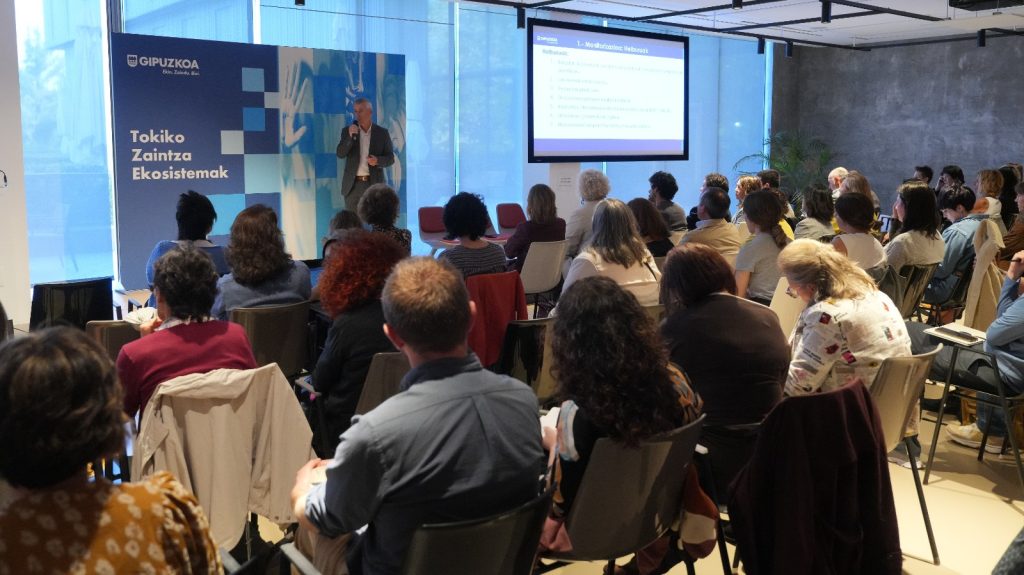
The 4th Conference on Local Care Ecosystems, held in San Sebastián this week, highlighted the progress of a model that has already become one of the cornerstones of Gipuzkoa’s social policy. Promoted by the Provincial Council, the community care network currently encompasses 31 local ecosystems, spread across 32 municipalities, and serves 7,920 people in vulnerable situations.
The event brought together nearly 140 institutional representatives, municipal officials, professionals, and social organizations, and provided an opportunity to take stock of a project that began in 2018 as a pilot program in Pasaia and has since been gradually expanded throughout the region.
A community-based model, developed locally
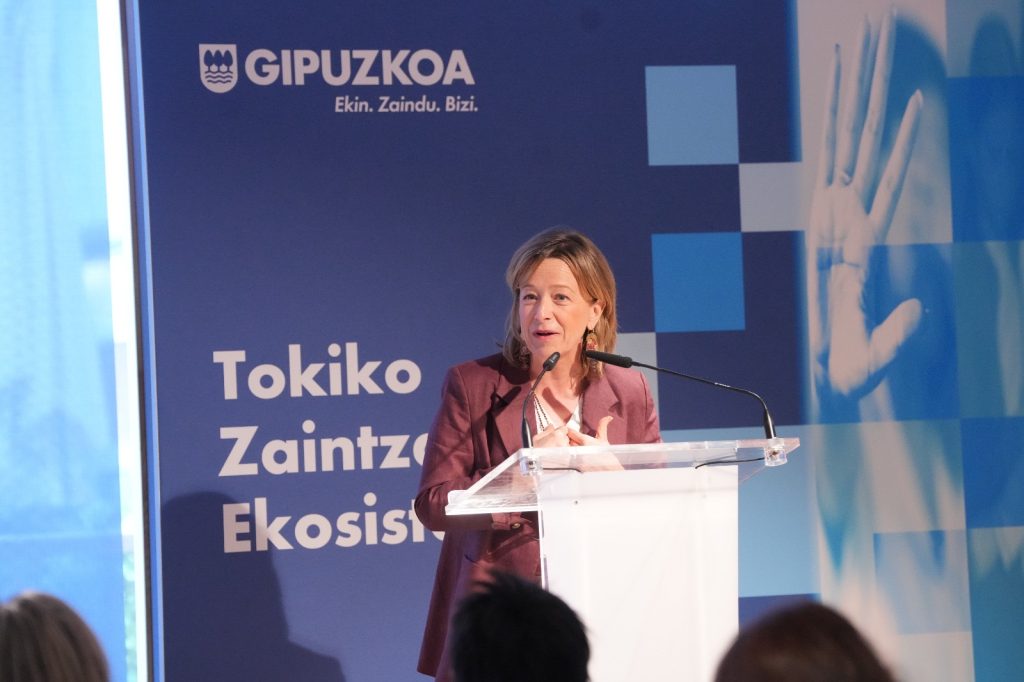
During the event, Deputy General Eider Mendoza emphasized that innovation can—and should—also come from the public sector. “Gipuzkoa is moving toward a transformation of care based on personalization, prevention, and community engagement,” she said, highlighting collaboration among government agencies, social partners, and citizens as the foundation of the model.
Along the same lines, Maite Peña, the councilor for Social Care and Policies, explained that local ecosystems aim to improve care for people with long-term care needs and promote social inclusion by leveraging the resources and stakeholders already present in each municipality. The Provincial Council supports this process through financial and technical assistance, but it is the local governments that adapt the model to their specific circumstances.
Figures that reflect a growing network
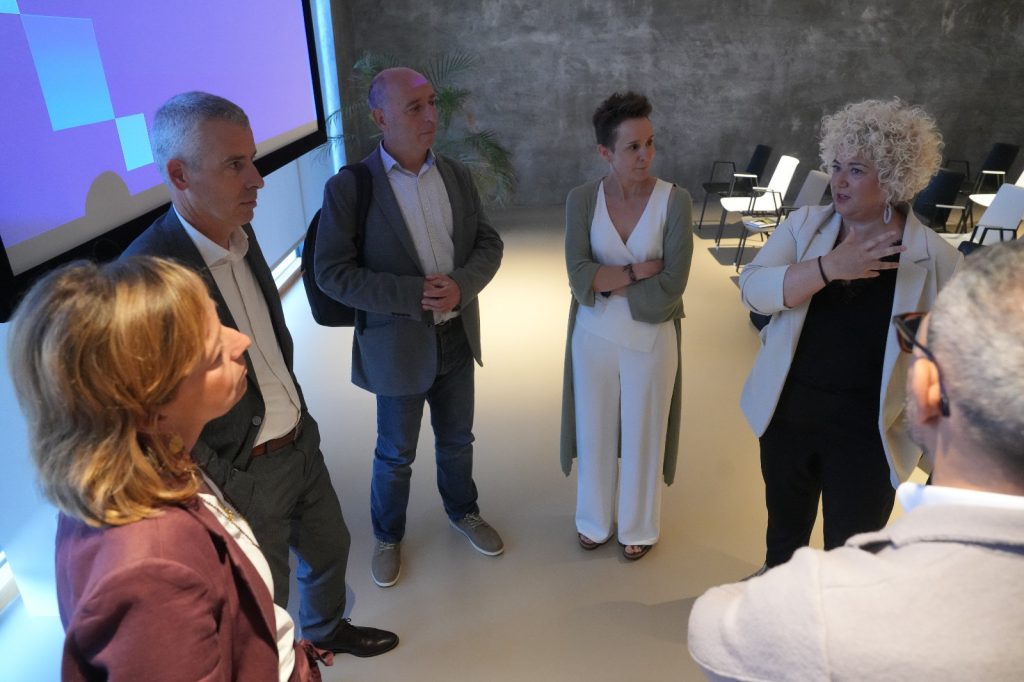
The data presented at the conference highlight the project’s significant expansion. The network currently involves more than 560 participants, including professionals, caregivers, family members, and community workers, and has received a cumulative investment of 3.7 million euros from the Provincial Council.
Far from operating as closed systems, local ecosystems serve as hubs for coordination, integrating social, health, and community services with a preventive approach. The common goal is to anticipate situations of dependency, combat unwanted loneliness, and enable people to remain in their familiar surroundings for as long as possible.
Three municipalities, three ways of implementing the same approach
One of the highlights of the meeting was the presentation of specific municipal initiatives by the mayors of Zarautz, Aretxabaleta, and Hondarribia, which demonstrate the flexibility of the model.
In Zarautz, the local support system focuses on the homeless, using a comprehensive support approach developed in collaboration with the City Council, the Provincial Council, and the Emmaus organization. More than 200 people have been assisted in a wide variety of situations, with results that the City Council itself described as “surprising.”
Aretxabaleta, for its part, has focused on people over the age of 70, promoting prevention and health through community roundtables that assess each case individually. The goal, as explained, is to gradually expand the model to other age groups.
In Hondarribia, the community network is organized at the neighborhood level to strengthen community ties and prevent unwanted loneliness. Workshops, social gatherings, and walks organized by the neighborhood itself are part of a program that aims to restore the social network as a key element of care.
A community-based model, developed locally
Looking ahead, the Provincial Council is working in four strategic areas to consolidate the model: integrating residential and day care centers into care ecosystems, developing a Federated Data Platform to improve coordination among stakeholders, enacting the decree on Local Care Ecosystems, and ensuring the long-term sustainability of the system.
In addition, a self-assessment is being conducted with the 32 participating municipalities to identify stakeholders, assess needs, and estimate costs, with the aim of facilitating the replication of best practices across municipalities.
Beyond the numbers, the 4th Conference made it clear that Gipuzkoa is not only expanding its care network but also moving toward a structural shift in how care and support are understood—starting at the local level and with the community at the center.